
The Smell of Jasmine

FullSizeRender

My winter jasmine is blooming. The mounds of creamy flowers resemble an indoor version of the snowdrifts outside. It was my grandmother’s favorite flower, but I love jasmine because it reminds me of Marks & Spencer and of my first day of living in Albemarle Street.

Not long before Jamie and I were married, his friend Danny won a portion of an enormous multinational construction contract in England; Danny wanted Jamie to come to London to work on it, and was ecstatic when he agreed to go. Jamie was thrilled and so excited that he made the plane reservations that day. I was the only one unsure about the plan. Living for the first year of our married life in another country with no familial support system seemed unsettling, almost like a strategy for divorce. Additionally, I had to take leave from my editorial job in New York. Jamie had a new professional challenge and would be busy all day and half of the night but with no documents to edit, what would I do? I begged my boss to send me FedEx pouches of articles to edit and pay me half of my salary so my entire professional identity wouldn’t disappear into the puff of a jet contrail. As I packed my clothes to leave New York, I wished for a crystal ball so I could see how this would work out for us. I knew it was a phenomenal opportunity for Jamie but what would it be for me?

A few weeks after returning to New York from our Hawaiian honeymoon, we took a taxi to JFK and prepared to board another plane. Inching our way along the Jetway, I juggled my carry-on bag testily and turned to look at Jamie. “Are you sure we are doing the right thing?” I asked for the one-thousandth time.

Jamie nodded toward the stewardess checking boarding passes six feet in front of me. “Yes, I am, but even if I weren’t isn’t it a little late to be worrying about that?” He shifted the shoulder strap of the Hartmann carry-on. “Laura, we have been all through this. It is a fantastic opportunity for me, for both of us. Besides, you love London.”

I sighed. I did love London, having visited it frequently during the year I spent studying at Oxford University, but this was different; it wasn’t graduate school, but real life. Despite Jamie’s attempts to trivialize it, living in London for a year was more serious than a pinchy pair of heels from Bergdorf; I could return the shoes if they didn’t stretch, but what would I do if London pinched? Or if my brand-new marriage did?

I stuffed my uncertainties deep down inside as we turned left at the entrance and settled in. I always like to put on my BA-provided sleeping suit early, comfort trumping vanity, for a change. I returned to my seat with my jeans and sweater over my arm and saw that Jamie was deep in conversation with the man seated in front of him. I slid into my seat and tapped my fingers on the dinner menu. I wanted to eat early then fall asleep to try and remain calm. If I didn’t take a sleeping pill soon I would be up all night and begin my new life in London quivering like a bowl of Jello and looking like a wrung-out dishrag in high heels. Nothing would trump vanity once I was out in the morning light.

We ate dinner and soon my misgivings fell asleep. It seemed only minutes later that the breakfast announcement came through the speakers. I opened the opera shade on my window and squinted in the dim, grey, light; it looked cold. I touched my hand to the dripping pane. It was cold. Trained since childhood by my Russian grandmother to look for signs in the universe I wondered whether that boded well or ill. No way to tell until more time had passed, until I could look backward and reconstruct, searching for the plot points on the narrative arc. Four was the tipping point to my grandmother; two or even three small mistakes could be coincidence but when four consecutive things went wrong the universe was unquestionably telling you something.

We landed and gathered our belongings, then joined the trudging migration of lemmings in search of a new habitat. The Customs and Immigration lines were long, serpentining through the hall endlessly. Another unwelcome sign, perhaps, or just the reality of a dawn landing? We had been inching along for nearly twenty minutes and were third in line from the Arrivals desk when I heard a quick snap and stumbled backwards. After righting myself against Jamie, I looked down at the floor near my feet; what had I stumbled over? Nothing. The short, spike heel of my suede Manolo Blahnik boot had snapped. Shit. Now that was a sign.

Jamie looked down. “What is that?”

I picked up the conical heel. “The heel of my boot.”

“How did that happen?”

I shook my head. “No idea. They are almost new. This is only the second time that I have worn them. Shit. Seven hundred dollars for handmade boots that I cannot either wear or return because we are nowhere near Bergdorf.”

Jamie opened his mouth and I glared at him, “Don’t you dare say I gained weight on our honeymoon.” He held up both hands in surrender and said nothing. Then, as we inched forward again, he cleared his throat. “I was going to say that there is a Manolo store in Chelsea on Old Church Street. I am sure they will take them back.”

“I don’t want to take them back. I want to wear them.” I whined.

“So ask for another pair.”

“What if they don’t have them here?”

“I am sure they have them here.”

“What if my size is gone?”

Jamie sighed. “They will get them for you from somewhere. Stop trying to make things difficult.” He shoved the carry-ons forward with his feet as the line shuffled forward.

“I am not trying to make things difficult,” I snapped. “They are getting that way all by themselves.”   What I didn’t add was that the broken heel was the third sign after the cold, grey dawn and the infinite line. There was no sunshine on our arrival either literally or figuratively; my grandmother was telling me that we shouldn’t have come to London.

The light blinked on the Customs Officer’s desk and I hobbled forward, one foot stepping heel-to-toe and the other just tiptoe.

The Customs Officer raised an eyebrow, “Is something wrong?”

I plopped my passport on his desk, then crouched. “She broke a heel on her shoe,” I could hear Jamie respond.

“Well, could she come up long enough so I can compare her photo to her face?”

Jamie poked me with the toe of his shoe and he hissed, “come back up here!”

I was scowling as I rose. “You looked a lot happier the day this picture was taken,” the Customs Officer observed. “You should smile more.”

I nodded then sat down on the floor and began unlacing both boots, muttering under my breath about the idiocy of people telling other people to smile. Finishing, I jammed both shoes into my red Goyard tote bag and stood. As we headed toward the baggage claim Jamie said, “You know you can’t walk outside like that. It’s raining.”

I clutched the escalator handrail. “I have walked barefoot in the rain before.”

“Not in this you haven’t.”

I glanced through the plate glass window of the baggage hall as the step disappeared and we stepped off; he was right, it was sleeting. Well, maybe we could catch a taxi right outside the door.

We found the correct baggage carousel and waited for the luggage. Minutes ticked by on the giant clock hanging from the ceiling. “Is there a baggage handlers’ strike today?” I asked Jamie. He shrugged. More time passed. My feet were growing cold on the floor. After about twenty minutes the warning light flashed and the buzzer sounded. Luggage appeared sporadically on the belt. We watched people from our flight choose their bags from the rubber track. Where were ours? After about ten minutes the belt stopped turning and uniformed BA employees began removing the unclaimed bags for storage. Ours weren’t there.

Jamie and I stared at each other. “Where do you think the Claims Office is?” I asked. We located it and asked the agent in charge about our luggage. After about thirty minutes of conversation with BA at JFK, referencing and cross-referencing luggage tag numbers, ticket stubs, and boarding passes, she reported apologetically that for some reason our luggage hadn’t been put on the plane.

“You are kidding,” Jamie deadpanned. “We were in First Class. Doesn’t the First Class luggage go on first?”

The agent smiled. “Ordinarily, sir, yes, but there was an abnormality in the loading protocol on the tarmac at JFK.”

“An abnormality in the loading protocol on the tarmac,” I hooted. “Does that mean someone forgot to put our bags on the plane? And they were left on the baggage train?”

The woman shifted uncomfortably in her seat.

“It does, doesn’t it?” I crowed. “Shit! That’s it! This is the fourth time BA has lost our luggage!   Fourth! Bermuda last October and Hawaii the first Christmas we went to Lanai. And your cousin’s wedding in Dublin! Oh, my God, Jame! Remember that? I had to wear a cotton sundress to your cousin’s wedding in a castle because BA lost our luggage!” Jamie and the baggage agent were staring at me in growing confusion and dismay as my voice pitched higher. “That’s number four! Number four! Oh, my God, the lost luggage is number four! My shoe broke, it’s sleeting outside, the Customs line was long, and now you tell us that all of our clothes are missing! That’s four things! My grandmother was right! I knew we shouldn’t have come here!” I burst into choking sobs.

Her face stricken, the baggage agent excused herself and all but ran out of the small office, closing the door gently behind her. I sat and cried while Jamie stared at me in shock. Finally, he reached out and touched my shaking hand. “What’s wrong? Is this just because you didn’t want to come here?”

I inhaled raggedly. “It’s not that I d-d-didn’t want to c-c-c-come here; I am unsure about coming h-h-here.”

“What do you mean? We discussed this, Laura. We discussed it to death. This is a terrific opportunity for me.”

“B-b-b-but what is it for me?”

“What are you talking about?”

“Wh-what is it for me? I h-h-had to give up my j-j-job to come here. A-a-a-nd my f-f-family.”

He remained quiet for a few minutes. “I’m sorry,” he said finally. “I thought this was an opportunity for both of us. I didn’t realize that you felt so . . . so robbed by it.”

I felt like a spoiled brat. My breathing relaxed. “I don’t feel r-r-robbed, exactly; I just feel . . . I don’t know . . . l-l-left behind, maybe. And at a c-c-crucial point in our r-r-relationship.”

Jamie stared at me.   “Crucial point?” he echoed.

My head snapped up, nose streaming. “We just got married, literally just.” I wiped my nose on my left sweater sleeve.

“We have known each other for five years, Laura. We have been living together for three. What has changed? If I didn’t want to be married to you, I wouldn’t have done it. Where we live has no bearing on my happiness about marriage.”

I didn’t know what to say, so I stayed silent. So did Jamie. “And what were you talking about your grandmother?” he asked finally.

“S-s-signs,” I sniffed.

“Signs of what?” he asked, puzzled.

“S-s—signs that we shouldn’t have come here. F-f-four things went wrong in qu-quick suc-suc-succession,” I sniveled.

He scooted his chair closer and put his arm around me. “You don’t really believe that, do you?” he asked.

I didn’t answer. Seconds passed. “Well, maybe you do,” he concluded finally. “But why do the signs have to be of impending disaster?”

Digging in my tote bag produced no Kleenex, so I wiped my nose on my sweater’s other sleeve. “What do you mean?” I asked suspiciously.

Jamie shrugged. “I dunno. Maybe a bunch of stuff has to go wrong so when things go right, it is especially sweet,” he said. “Maybe the signs are that we should appreciate what we have,”

“That’s idiotic.”

“No more idiotic than counting mishaps, reaching an arbitrary number, and then interpreting them as universal signs of impending doom.”

Somehow when he said it like that, it did sound ridiculous. I poked him. “Don’t call my grandmother an idiot.”

“I surrender,” Jamie sighed, leaning back into his chair just as the door opened. It was the baggage agent. She entered and sat tentatively on the edge of her chair.

“I just checked your travel records and I saw that you have indeed filed lost baggage claims on four discrete journeys including this one. I am so sorry. I just don’t know what to say. I don’t think any other customers have flown British Airways as often as you have and experienced the same kind of misfortune.”

Jamie and I traded glances.

She continued. “Are you staying at a hotel?”

“No, we have leased a flat on Albemarle Street,” Jamie answered.

“Oh, how lovely. Now, by way of apology, I have arranged for a car to take you to your destination and I have two one hundred pound American Express gift cards so that you may buy yourself a nice meal or perhaps a few essential items of clothing.” Here she looked at me. “I realize that these won’t pay for your shoes,” her eyes darted to the broken Manolo peeking out of the red tote, “but maybe you can get a pair of trainers to hold you until your luggage arrives. And it will arrive tonight. Kennedy has told me that it is being loaded on to the next plane even as we speak. And when it arrives it will be messengered to your flat, if you will just provide the address.” She smiled, no doubt hoping this interview was over.

We thanked her and she led us to a waiting black taxi. When the driver inquired about our destination, Jamie gave him the address of the Albemarle Street flat we had rented for our year in London.

We sat in the back seat of the cab and held hands as the grey and drizzly scenery passed. As we reached Cromwell Road, I remembered my sodden socks.

“Excuse me,” I tapped on the Plexiglas partition. “Could you please stop at the M & S at Marble Arch before you take us to our flat?”

“Yes, indeed, madam,” the driver replied.

When we reached the big Marks & Spencer store, I attempted to hop out quickly. Jamie caught my wrist. “I am coming with you,” he said. “It’s bucketing out. Let’s just get something to cook for lunch and stay home for the rest of the day.”

“Don’t you have to meet Danny on the job site?” I asked, surprised.

Jamie shrugged. “Yes, but I will tell him we were jet-lagged and needed to rest. I can start tomorrow.”  He smiled. I grinned back.

“Come on.” He pulled me out of the taxi. “You go find sneakers while I go to the food halls. Meet me there when you are done.”

Separating at the door, I hurried to the shoe department. I chose the cheapest sneakers that would fit and paid for them with the American Express gift card. The shoes were so inexpensive that I had a large balance, so I bought underwear and socks, too; tearing off the store tags, I sat on a display to put on the new socks and sneakers, dropping my wet socks in a refuse bin on my way downstairs.

When I reached the food hall entrance I was struck by the smell of winter jasmine, my grandmother’s favorite flower. Ten pounds bought a lush plant with creamy flowers and tendrils curling around the small trellis planted in the center of the terra cotta pot.   I reached for one and inhaled the luxurious scent, the fragrance of my grandmother, and of a new life in London. “Maybe this is a good sign, Grandma,” I whispered, placing it gently in my shopping trolley. I stood on tiptoe and peered around me. It was time to find Jamie and start that new life.
Roses and the Snow

In honor of the blizzard, here is a reprint of my favorite snowstorm story.

 It was my twentieth wedding anniversary a few Thursdays ago and my husband Jamie and I went out to dinner. I went with two of his sisters to a restaurant in Manhattan and he joined his cousin and her husband at their house in Santa Monica. He flies home every Friday night and, like a 36-hour clock precisely wound, returns to Los Angeles on Sunday evening.

Sometimes I wonder if the ceramic bride and groom on our wedding cake were accidentally placed facing in opposite directions. While living in the same place at the same time has sometimes proved difficult, our marriage only became a cross-country relay event three years ago, when he became the President and CEO of The Culver Studios, known throughout the movie-going world as the big, white house seen in the introductory frame of every David O. Selznick film.

While living simultaneous lives on opposite coasts can be Hell, it also comes with unexpected moments of incomparable sweetness that I don’t think would be there if we were together all the time. Sometimes these moments are simultaneous. Sometimes they involve snow.

I really only like snow from a distance, like when Bing Crosby and Rosemary Clooney are singing as they walk through it, arm in arm. When I am faced with the reality of it, I hate it. It was on my mind from the moment Jamie accepted the job at Culver.

“What’ll I do when it snows?” I had asked in October, as he packed linen clothes for sunny L.A.

“We have that huge new snow blower. “

“I don’t know how to use it.”

“I’ll write it out. You’ll be fine.”

One day last February snow was forecast, a lot of snow, the kind of snowfall that made my student’s noses quiver with delight, as though, like rabbits, they could feel it coming. They were right, because at five a. m. it announced its arrival by a ringing phone.

“Laura, it’s Pam from the snow chain. We have a snow day today.”

I awakened a couple of hours later to a world smothered in snow. Enough snow for a day off is good, but what was piled outside my bedroom window was overkill. And it was still coming, tiny, crispy, little crystalline flakes floating happily to the ground covering trees, bushes, and trellises.   It seemed as if a giant Martha Stewart had gotten carried away with the sugar shaker.

Staring at it dolefully didn’t make it go away, so I decided to blow it. I didn’t want to spend the entire day and night marooned. How hard could it be? All manner of confidence-boosting mantras burbled in my brain as I dressed in multiple layers of sweatpants. Then I dialed our house in Santa Monica, the house near the beach where it doesn’t snow. I woke him.

“It’s snowing.”

“Oh.”

“I’m going to snow blow so I don’t have to stay here all day.”

“Oh.”

“Is it hard?”

“No, it’s pretty easy. It’s self-propelled, after all.”

Outside, actually standing next to it, the snow blower looked a lot bigger than it had when that nice man had delivered it from Wyckoff Power Equipment. I pulled off the note Jamie had taped to it. “Plug it in. Push the orange lever forward. Press the black button. It’s electric start so you’ll be fine.”

Like the diligent student I’ve always been, I followed the directions to the letter. Vrooooom! It roared to life. I had planned to aim the Zamboni-sized monstrosity up the hill toward the road, but I couldn’t move it. It weighed two tons. Thinking the self-propulsion would help, I squeezed the handle and gave it gas. Pow! It jumped and dragged me into the garage wall. This was harder than I thought. Inch by inch I turned the snow blower until it pointed mostly uphill toward the road, definitely away from the garage. Squeezing the gas handle again and holding on tight simultaneously proved to be the key. It chugged up the hill projectile-vomiting all the snow in its path. It was huge, though, and heavy, and despite the self-propulsion or maybe because of it, I ended up with a really crooked furrow. Regardless of what propelled it, it still had to be pushed low to the ground and guided. It looked like a nearsighted groundhog with faulty GPS had tried to burrow uphill in the dark. My confidence ebbed.   One badly plowed trough in the snow wasn’t going to solve the driveway problem. At the top of the hill, I let off the gas and, again, inched it into the correct position. By now I was sweating profusely in my down jacket so I ripped it off and tossed it over the stone pillar that frames my driveway and continued in my sweats. Downhill was easier (the self-propulsion, again) but since it was downhill and I am just over 100 pounds, I lost control of the machine and it thumped along with me clinging to it. Nearing the end of the hill, and trying to hold onto it, I forgot to stop squeezing the gas lever and crashed into the garage wall again.

My spirit of adventure left as I landed on my butt in the cold, steadily deepening snow. My ego was completely deflated. Obviously, I couldn’t do this. There was too much snow, it was snowing too hard still, and I was just not big or strong enough to handle the machine. I began to feel sorry for myself. My rotten husband went to Los Angeles and left me here in the Arctic. My nose started to dribble and fat, hot tears welled in my eyes. Too stubborn to surrender, I tugged on the giant machine until it faced uphill again. I began a new channel next to the previous one. Suddenly it got harder to push the machine and it looked like less snow was being churned up and spewed out. I released the gas and shoved the lever into Park. Crouching in front of the behemoth I saw that one of the churning blades, the far left one, was spinning lazily. I touched it. It twirled like a Texas cheerleader’s baton. It was broken. Something had broken it. Pushing away the caked snow I saw that a twig stuck out at a weird angle, like a broken arm. I realized exactly what was wrong because it had happened before. The rigid twig had jammed the blades causing the shear bolt to snap.

Fury crashed over me like a tidal wave. I stumbled through the slippery mess into the garage and grabbed the extension phone. Wiping my nose with my left sweatshirt sleeve, I dialed L.A. with my right hand. Jamie answered.

“It’s broken!” I sobbed.

“What?”

“It’s broken. The damn snow blower is broken. The snow is so heavy it snapped a little branch from the maple tree near the well house and it’s still snowing so it got buried by the snow and I didn’t see it so I ran over it and it wedged in the blade and broke the shear bolt again and now the stupid thing’s broken and I’m stuck here in eight inches of snow all by myself and it’s seventy-five degrees where you are and you left me here all alone and I want a divorce.”

Silence. Then, “I’ll call you back.”

Heaving with sobs at life’s unfairness and the relentless snow and my husband’s selfishness and, truth be told, my own incompetence, I stomped into the house, kicked off my boots and threw myself onto the kitchen window seat to cry. After about twenty minutes I felt a bit better and decided to make a cup of tea. I unfolded my legs to rise from the seat, and a red SUV appeared at the top of my driveway. “Oh, great. He’s broken down right there so even if I could get someone to plow he’d be blocking the driveway,” I mumbled.   Just as I was about to pull on my boots to go back outside I realized whose car it was. It was Jamie’s friend Kurt. He strode down the driveway. The snow seemed to part in front of his 6’4’ frame.

I opened the back door.

“Hey, Jamie called me from California and said you needed help with the snow blower so I brought an extra bolt from my house. Those darn things break so easily, don’t they?”

Kurt fixed the snow blower and cleaned the entire driveway. Then he had a cup of hot tea with me in the warm kitchen and drove to his own house. I had a clean driveway and didn’t have to stay home all day if I didn’t want to. I didn’t go anywhere, though, once the driveway was plowed. I snuggled on the couch with the dog and watched Turner Classic Movies. And it’s a good thing because if I had, I might not have been there to open the door when the truck arrived from The Little Flower Shoppe in Ridgewood bringing a dozen snow colored roses. The card read “Happy Snow Day. Your worthless husband.”

The Mummy’s Revenge

IMG_1136

One August afternoon my niece, Vikki, and I were shopping on Balboa Island, not really looking for anything in particular, just strolling along Marine Avenue, munching frozen bananas from Sugar ‘n Spice.   We wandered into a high-end gift and card shop, the kind that stocks museum merchandise. Vikki picked up a greeting card with a reproduction of Munch’s “The Scream” on the front. “Looks like Gramma on the Mummy ride,” she said.

I laughed. “It sure does!”


Two weeks before, my parents had visited. They stayed with Jamie and me in Santa Monica and, as it was summer, I was off work and had lots of time to spend with them. Vikki came over often, usually at night, but one day Jamie got us passes to Universal Studios, so she took the day off to go with us.

Vikki had never been to the theme park before and I hadn’t gone since about 1977 when the Jaws shark attacking the tram was the big attraction so we were all looking forward to spending the day together and having some fun.

“Have a good time!” Jamie yelled over his shoulder that morning as he banged the screen door on his way to the studio. I caught the handle and leaned against the doorjamb.

“You sure you don’t want to come with us?” I called after him.

“Are you nuts?” he shouted from the rise of the sidewalk. “I can’t think of anything worse.”

That was probably true. Jamie didn’t like sticky children or amusement parks and the whole “magic of moviemaking” concept left him cold.   (“It’s not magic,” he’d grumble. “It’s real estate.”)

I returned to the kitchen to refill my coffee mug and check the clock. Vikki was supposed to arrive by about seven-thirty so we could go to The Firehouse on Main Street in Venice for breakfast before the trek to the Valley. We would take her car since I was a nervous driver and my father believed in an early start for every excursion: if the Park opened at eight, he thought we should be in the parking lot at seven forty-five, LA commuter traffic be damned.

I was adding cream to my mug when my mom entered from the guest bedroom. She was completely dressed in linen pants and a coordinating top, huarache sandals, and a chiffon scarf tied stylishly around her head. She looked great, especially for a trip to a sweltering amusement park destined to be full of shrieking children and dripping food products.

“Wow, you’re all dressed up!” I exclaimed. “I am just going to wear khaki shorts.”

“I don’t wear shorts at my age,” she sniffed. “Varicose veins.”

I paused, as I wondered whether they were genetic, then, noticing that my mom’s hair looked especially good I asked, “Did you get a new wig?”

My mother smiled. “Yes, do you like it? The color is called Golden Ash.”

“Yeah, it’s beautiful, very flattering, but aren’t you going to be too hot? It’ll be over ninety degrees there today.”

She shook her head slightly. “No, I will be fine. My hair is dirty and I cannot do anything with it.” I must have looked skeptical because she added, “I’ll take a hat.”

I shook my head. “I wasn’t thinking about sunburn or color fading, just that your head might be too hot.”

My mother opened the dishwasher and placed her mug gently on the top rack. “No, I will be fine.”

“Okay. Well, your choice. I’m going to go shower and dress so we can go eat as soon as Vikki gets here.”

About ninety minutes later, we were finally on our way to Universal. I had put my father in the front with Vikki. She and I disagree about driving. I think she has a lead foot and she says I am a quivering lap dog.   I call her Mario Andretti and she calls me The Pomeranian. We bicker less if we walk places.

It was nearly ten when we made it to the gates. The Park had opened at eight so the lines were already long.   “I knew we should have gotten here early,” my father muttered.

“It doesn’t matter, “ I said pushing them toward the VIP gates. “Jamie’s friend Bru reserved the tickets. He is in charge of Physical Production here so we have Super VIP passes.”

The VIP Access gates were nearly empty; we were at the box office window in about two minutes. I could feel the air conditioning blasting out the aperture when the clerk slid open her little Plexiglas door. I explained who we were and provided everyone’s identification. We could feel the heat rising from the pavement as we stood while she verified our identities with Bru’s office, then with Jamie’s. Eventually she returned with our identification and plastic VIP Access passes on Universal lariats. She explained that our passes came with Front of Line Access and Repeat Ride options. I didn’t think we’d use Repeat Ride but Front of Line was good because my parents are in their eighties and it was getting hotter by the moment so the less they had to stand, the better.

With my father consulting the map, we began our trek through the Park. We started with the Studio Tour on the tram train that I remembered from my adolescence, then went into a special exhibit of costumes from the golden age of horror movies. We visited the King Kong 3D, had a snack, and perused a few shops.

“Come on, let’s go on some rides,” Vikki said.

“Okay. Do you want to?” I asked my parents.

My father replied “sure” at the same moment my mom said, “no, you go.”

“Oh come on, Gramma,” Vikki pleaded.

My mother sighed and considered. If she did this, it would only be because she loved her granddaughter, “All right,” she said finally. “Which one?”

Vikki looked around; she pointed. “That one.” We headed toward the huge Egyptian-like display. “The Revenge of the Mummy,” I read. I doubted that my mother was going to enjoy anything with the word “revenge” in the title. We read the explanation before joining the queue. “ Heart-pounding special effects . . . unexpected twists and turns . . . speeds up to 45 mph . . . virtual darkness.”

I turned to my mother. “Are you certain you want to do this?”

I could tell by her hesitation that she wasn’t – my mother has vertigo – but she didn’t want to disappoint Vikki. “Of course,” she answered. I shook my head but we walked to the VIP Access Point anyway.

The Revenge of the Mummy train pulled up and we slid into the second row of seats. Four other people had grabbed the first row. It was probably just as well, I thought, as the safety bars snapped into place. The ride began.

The train jerked into the blackness of the tunnel. The music blared as the ride launched backward, then shot forward. Egyptian light effects bounced all around us as we climbed higher into the darkness. We stopped for a second then shot downward from what felt like Alpine heights. The wind shrieked past my face. My stomach couldn’t keep up with the rest of my body and I lost it somewhere in the middle of the ride. My brain was numb with fear as we plummeted headlong down the chute. I was sorry I had ever agreed to this.

At that moment, Vikki clutched my arm and yelled into my ear, “Gramma doesn’t look so good.” As turning my head was impossible without risking whiplash I tried to glance at my mother from the corner of my tearing eyes. It wasn’t easy in the strobing lights and I was so dizzy that I soon gave up trying. In another few seconds the ride was over and the train was gliding back into the station. When we came to a halt, I closed my eyes and tried to regain my balance as we waited for the safety bars to unlock automatically.

Suddenly I heard a shriek. “Oh, my God! Someone was decapitated by this ride! Ahhhhhhhhhhhhhh! Oh, my God! Oh, my God!”

Then another voice, “No, no no! It’s the special effects!   One came off the walls!”

I opened my eyes and saw the woman in the car in front of us throwing a decapitated head into the flock of costumed attendants who were now clustered around the platform. One of the attendants caught it and held it sideways. “This isn’t ours,” he said.

No kidding, I thought; what special effect in this place would have a pink chiffon scarf tied around it? I caught my breath as I realized what it was. I glanced over at my mother.   She was the color of banana pudding and looked as though she had been scalped. The safety bar unlatched and shoving it aside I scrambled over my entire family and dived into the crowd. “Give me that!” I hissed, snatching at the decapitated head. “That is my mother’s wig!”

My mother and I found the nearest ladies’ room to repair the cranial damage while Vikki and my father went to a hot dog stand. As much as I loved hot dogs, I didn’t think I would be able to eat one; I had no stomach left to put it in.

“How does it look?” my mother asked, gazing at her reflection in the mirror. The wig had returned to its usual resting place with the scarf freshly tied around it.

“Better than when that lady was throwing it onto the platform. And tie the scarf tighter this time so that thing doesn’t go flying off anymore!”

My mother stated to laugh, and then I did, too. “If I’d really been wrapped like a mummy I wouldn’t have lost it!” she gasped. “Maybe we should wash it when we get home. We don’t really know where it’s been.” We leaned against the sinks, howling, until our stomachs cramped.

“No more rides,” my mother said as we exited the ladies’ room. “My vertigo is killing me.”

“At least your vertigo doesn’t land in total stranger’s laps and scare the shit out of them,” I answered. My mom smacked me on the arm and laughed harder.

Overall, it wasn’t a bad day, at least if you didn’t count the scariness of the ride, my mother’s Mummy-induced cranial dismemberment and subsequent vertigo, and the abject terror of the rider in the car in front of us when the wig landed in her lap. I remember that afternoon every time I see a startled bald person.


Vikki turned and walked toward the cashier with the card in her hand. “I am going to buy this to mail to Gramma,” she said smiling. “Then let’s go get another frozen banana.”

The Unparallelled Wisdom of Women

thI have always liked strong, free-spirited women. They have been my role models since I was so little that I didn’t know what role models were. Today, the breaking dawn of a new year, comes my reflection upon the women who shaped me. They did this soundlessly, without even trying, simply by the way they fashioned their lives.
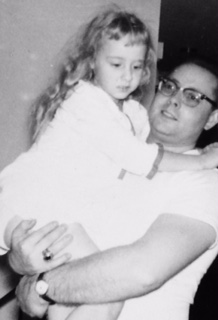
Ironically for someone who became an avid gardener, I didn’t like worms when I was a child. Rubbery and squiggly, they lay across the damp pavement in Central Park after a rain like Slinky toys flung from an exploding chest. A stroll to the playground or carousel became an obstacle course as I hopped sideways to avoid their slithery presence. One day, upon spying a worm of anaconda-like proportions, my mother crouched, released my hand, and gently picked up the errant creature between her index finger and thumb. She strolled into the wet grass and gently tossed him into a flowerbed where he immediately wriggled under some leaf debris. At my open-mouthed stare, she dug a Kleenex from her purse and, as she wiped her moist and wormy fingers on it said, “Always pick up worms from the sidewalk and place them gently in the grass. They are having a bad day through no fault of their own and don’t deserve to die just because they were flooded out of their homes.” Intentionally or not, at that moment my mom demonstrated the principal of kindness. Yes, there are people in this world that she dislikes – she is no Pollyanna singing, “Always look on the bright side of life” – but life is easier and more fulfilling by realizing that the world is bigger than just you. Others have problems, too, and no one needs their day made harder by malice, or even insensitivity.

There is a photograph on a table in my living room, wedged snugly inside an old, pockmarked, silver frame. It is a studio portrait of my grandmother at about age fifteen. She wears a white dress with a sailor collar and a huge black satin hair bow. She is seated on a bench holding a bunch of flowers with her left leg tucked under her coquettishly as she gazes, smiling, directly at the camera. Only she doesn’t have her left leg tucked under her; she has no left leg. She lost it from the knee down due to a childhood playground accident when an unsecured wrought-iron school gate swung into her from behind and sliced her leg, damaging it irreversibly. Yet, here she is – meeting the camera’s cold eye unflinchingly. Not long after this photo was taken my grandmother learned bookkeeping; she then married, raised children, and ran a successful business with my grandfather in New York City. It couldn’t have been easy. I remember the awkwardness of her gait on heavy crutches, especially as she aged, and her telling me of the relentless pain in the stump. I also remember the stares visited upon her by strangers in those unenlightened days. But she persevered. She determined that while she may not have the life she wanted, she was damn well going to want the life she had; so she fashioned her world into something she could enjoy.

One summer afternoon I was sitting in the basement of a house on Sciota Street in Pittsburgh watching The Newlywed Game on television with my mom’s favorite cousin, Patsy. I was six years old. Patsy was ironing and we were trying to guess how the spouse contestants would answer the silly questions posed by Bob Eubanks. We had each chosen our favorite couple to win the grand prize chosen just for them. I liked Couple Number Four, the steamfitter from Detroit, MI and his wife, probably because his occupation sounded so exotic to me. Patsy wanted Couple Number One, the accountant and his wife from Yorba Linda, CA, to win. It was the eve of Patsy’s wedding to Don Adams; the clothes she was ironing were for her honeymoon. I asked Patsy whether she’d like to be on the show and win a big vacation to Cabo San Lucas, Mexico or Rome, Italy. She laughed and told me that their plane tickets to Bermuda were already bought so she didn’t need another trip. That afternoon was over fifty years ago and Patsy and Don, like my own parents, are still married. It hasn’t been easy; life is full of disagreements, pain, and trauma; but if you choose carefully and well with whom to share your life, you have a stronger chance to live contentedly.

My childhood best friend, Patti, married when I was nineteen years old. The morning of her wedding I was seated at the kitchen table in her family home in upstate New York. It was a time fraught with emotion for me, not just because it was Patti’s wedding day, but it was the first time I had been upstate since my grandmother’s death. His parents’ deaths had hit my father hard and, like many bereaved people, he cleaned out their house with a vengeance, tossing boxes of family collectibles on the trash heap. Ignoring my mother’s steadying influence, he pitched nearly every childhood keepsake I had kept there, valuable or not. Patti’s mom, Arlene, waited until my father had gone to meet with the estate lawyer, then she gingerly picked through the debris, pulling out tiny things I had treasured and played with my entire life. She wrapped them in cotton and placed them in a cardboard box. That morning as I watched Patti’s hair get swept up into an elaborate style, Arlene handed me the box. Puzzled, I opened it; inside were a few of my cat’s eye marbles, a ceramic Snow White and Dopey, pink and blue beads on a string, and six china tea cups and five matching saucers. I burst into tears. Arlene’s kindness had given me back my childhood; a childhood spent playing in the dusty upstate sunshine with Patti, her sisters, and our assorted cousins. Arlene knew that family memories have no monetary value; they are priceless and irreplaceable and should be treated with care.

My armoire is stuffed with sweaters; one, however, has a shelf all to itself because it is my favorite. It is a cream-colored, knee-length, sweater-coat, hand-knitted in the popcorn stitch. Bev, my high school best friend, has one just like it. Her mother, Jane, made both of them for us when we were sixteen. It is a little tight in the upper arms now, but I still wear it exactly as I did then – with jeans and a white tee shirt. I think of Jane every time I see the sweater; I see her knitting on the tweed sofa when we burst through their house’s front door, laughing, and laden with art projects and McDonald’s bags. Jane knew that creativity mattered in life and, like my mother, she knew that saying I love you wasn’t always done verbally. Bev thinks it’s funny that at age fifty-six I have begun knitting. My mom knits. Her aunts knitted. My niece knits. Jane knitted. It’s calming; plus you get something to wear when you are done. There must be something to it.

My friend Debbie’s mom died recently and she posted a tribute to her on Facebook. The photo shows a beautiful young woman riding a Palomino, throwing her head back and laughing with her arms spread wide to the world. I never met Debbie’s mom, but the picture embodies the spirit I gleaned from Debbie’s stories about her. She lived her life with a joie de vivre that few equal. Wherever life took her – gain, loss – she seized the day by the arm and bent it to her exact specifications. Things may be what they are but that doesn’t mean that they have to stay that way forever. Her optimism lives in Debbie.

My friend Helen talks about her mom roller-skating around the kitchen. My college roommate’s mom raised seven kids successfully while her husband, an Air Force colonel, flew bombing missions in Viet Nam. The world is full of women like this. I only hope I am one of them.

The Littlest Angel

FullSizeRender

Every Christmas Eve when my sister and I were little, my mom would get us in our red and white holiday pajamas and fuzzy reindeer slippers and then, snuggled against my father, one against each arm, he read The Littlest Angel by Charles Tazewell aloud. It is from the 1940s, the story of a child having difficulty adjusting to the life of an angel. His inability to sing on key or keep his halo on straight annoys the grown-up angels. In an attempt to help, the Understanding Angel asks him what might make him feel welcome in his Eternal home; the Littlest Angel responds that he wants something that reminds him of his life on Earth, a box that he left under his bed containing his childish treasures, “ a butterfly with golden wings . . . a sky blue egg from a bird’s nest . . . two white stones, found on a river bank . . . and . . . a tooth-marked leather strap, once worn as a collar by his mongrel dog.” It is here that, every year, I began to snuffle, not because the story’s premise is of a child who dies, but because all of those things he valued spoke to me so clearly it is as though Tazewell looked directly into my soul as he wrote.

The collars of every furry pet I have ever adopted are stored in a carved wooden box from Malaysia. My fishbowl and turtle tank are filled with round, white, stones chosen one by one from the sands of Main Beach in East Hampton and Robert Moses State Park on Fire Island. I save bird’s nests blown from trees in summer storms to put in shadow boxes and, like the Littlest Angel, collect fallen blue half-shells of robin’s eggs every spring, thrilled that we will have baby birds in our backyard.

As The Littlest Angel continues, the day comes when God announces that His son will be born in Bethlehem and each angel, excited at the prospect, prepares a gift. The Littlest Angel is ashamed that he has no “glorious” gift to offer, so he gives the only thing he has, the “small, rough, unsightly box” filled with “useless things.” While gazing at the offerings for His son, God chooses the Littlest Angel’s box of Earthly castoffs as the one which pleases Him the most by saying its contents are “the things of Earth . . . the things My Son will know and love and cherish, too . . . “ This is where I begin to cry in earnest – even now, decades after the first time I ever heard the story.

It is not just because the story is unabashedly sentimental, although it is. Neither is it just because I am a crybaby, although my sister spent our childhood insisting that I am. The story stabs me in the heart with its profound truthfulness about the dichotomy between financial and emotional value.

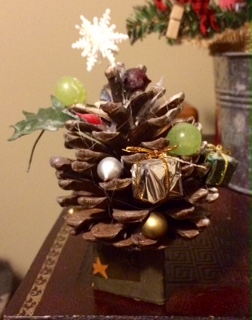
Like most of my friends, I am a big fan of stuff, especially holiday decorations. While they are not all the same in monetary value, they are equal in my heart. I have hand-blown glass holiday ornaments from Fortnum and Mason and Harrods, but still have a place on the coffee table for the pinecone decorated like a Christmas tree by my niece Talia when she was a child. The fireplace mantel holds a crèche set, hand-carved from olive wood, bought from a street market in Bethlehem, but what matters more to me than the beauty of the figures is that it was a gift from a friend, purchased for me during her holiday in the Holy Land. And while I appreciate a Gucci bag as much as the next woman – maybe more , but you’d have to ask Jamie about that – I love receiving things that my friends and family have made, like Debbie Levin’s pottery bowls and Steve Vallillo’s cookies.

Especially at this time of year, with its crowded schedules and financial stress, I try to remember that being present in my family and friends’ lives is the gift most of them desire and value.

Merry Christmas.

The Sidewalk Santas

FullSizeRender-1

“Everybody counts or nobody counts”

Harry Bosch, The Overlook by Michael Connelly

For as long as I can remember, my mother has lived by particular philosophies. She repeats them to me often, no doubt hoping to impart their wisdom. (I am not always a willing recipient of her advice.)   The single belief she most tries to live by is to treat everyone with equal respect. She says that she doesn’t want to die and have to explain to God for the way she treated people on earth but I suspect that she is just an innately decent woman and concern about Saint Peter refusing her entry to the Afterlife doesn’t really enter into it.

Late one Saturday morning just before Christmas Jamie and I climbed into his car to go Christmas shopping in Beverly Hills. On our way out of Santa Monica I remembered that my mom and many of my work friends enjoyed See’s candy so I suggested stopping at the See’s branch at the Century City Mall on the way into town to pick up chocolates for everyone.

Unfortunately, Jamie’s phone rang as we were pulling out of our driveway on Third Street, changing our plans. Something was wrong at the studio so we headed in the opposite direction, merging into the jam on Lincoln Avenue pointing toward Culver City. After the problem was solved and the irate client soothed we headed toward Beverly Hills the back way, turning right onto Motor Avenue near the old MGM lot, then right onto Pico at Twentieth Century Fox Studios, then left onto the Avenue of the Stars.

Beverly Hills was overflowing with both locals and tourists. The sidewalks on North Canon were so packed with dawdlers and gawkers that we were often pushed into the car-clogged streets where we would surely have been run over if any of the cars had been moving.

We had planned to pop into Nate ‘n Al’s on North Beverly for a late lunch after we were finished but the line stretched out the door and up the block toward Little Santa Monica Boulevard, appearing to go all the way to Sunset.

“Wow, look at that line,” I sighed, resting my shopping bags on the sidewalk at my feet.

Jamie nodded. “Do you want to wait?” he asked.

I shifted my weight, undecided. “Yes and no. No because I will be ready for a bungalow at the Motion Picture Retirement Home before we get to the front but yes because I am starving.”

Jamie glanced at his watch. “I have to go back to the studio so let’s just eat at the Greek in Culver City.”

“Oh, great idea.” I loved Mykonos, the Greek restaurant on Washington Boulevard because I had a sentimental attachment to it. On my first full day in Santa Monica, Jamie had dashed out of the studio and brought me lunch from it because we had no food in the house.

The rest of the afternoon passed in a blur – the studio, lunch, and grocery shopping at Whole Foods. It wasn’t until we were turning right onto Third Street that I remembered See’s.

“Shit!” I exclaimed.

“What?”

“I forgot See’s. Damn. And now we are nowhere near the mall.”

“We’ll go to the one on Wilshire.”

“Is there one on Wilshire?” I asked in amazement.

“You really need to learn to drive,” Jamie observed as he passed our house and slowed to a stop near Mary Hotchkiss Park.

“I can drive,” I answered defensively.

“Can isn’t do,” he said.

He was right; I rarely drove in LA because I was terrified of the traffic, especially on the freeways. My niece, Vikki, had watched me drive once in Beverly Hills and likened my vehicular temperament to a frightened Pomeranian. Embarrassingly enough, she was right.

Jamie had asked me a question but I had scarcely heard. “Oh. What?” I asked. “I wasn’t listening.  Sorry.”

“Why can you drive in Manhattan but not here?”

“Because Manhattan is a grid not an afterthought, and besides it’s an island so I can’t really get lost: if I see water I have gone too far.”

“Honey, just face west and keep going. If you see water here you have gone just far enough.”

He was right; we could see the ocean from our bedroom window. I had never thought about it that way.  All I really needed to remember was that Malibu was north of our house and the Marina was south.

We found a parking place in the small lot behind See’s and turned the corner. Seated on the sidewalk, huddled together directly in front of the shop, were two thin and dirty people, a man and a woman. I presumed that they were homeless; Santa Monica had a lot of homeless people. Shoppers walked over and around them on the crammed sidewalk. Watching, I felt terrible and it seemed suddenly frivolous to be buying candy.

Jamie had already reached the shop, however, and was holding the door open for me. I glanced over my shoulder as I entered. While in the tiny, sweet-smelling store I couldn’t concentrate on which of my family and friends liked what sweets; I was thinking about the two people leaning against the outdoor wall and peered out through the plate glass a couple of times.

Jamie sidled up to me. “What are you looking at outside?”

“Those two homeless people. I know there are social services but it just seems so awful to be out there when everyone else is celebrating with their families and friends. It’ll be Christmas Day soon and they won’t even care because it’ll look just like every other day. I don’t know. It just seems wrong.”

“So do something.”

“You mean, give them money?”

“Laura, you grew up in New York City. You know perfectly well that any money you give them will probably go for drugs or alcohol.”

I considered. “Do you think they’d like chocolate?”

Jamie blinked.

“I mean, I know that food is better but they may well be eating at one of the outreach centers. Maybe they would just like to have a treat, a present. I am going to buy them Santas. Do you think that’s stupid?”

Jamie grinned. “No, I don’t.”

We added two large chocolate Santas to our stack of gifts. Just before Jamie opened the door to step outside I pulled the two chocolate figures from the shopping bag he carried.

I walked over to the man and woman. They avoided my eyes so I crouched in front of them. I held out one of the Santas to the woman. “Merry Christmas,” I said.

She stared at me then slowly reached a thin hand to accept the chocolate. “Thank you,” she whispered.

“You’re welcome.”  I turned slightly to face the man and repeated the words and gesture. He turned to stare at his companion then accepted the chocolate and croaked, “And happy holidays to you, too.”

We smiled at each other then I rose and met Jamie where he was waiting for me at the corner near the parking lot.

Of all the Christmas presents I have ever given or received, I remember those Santas clearly. I am not foolish or naive enough to think that one chocolate Santa will change anyone’s life but it helped; it made one day better for all of us.

I have two dear friends, my Zen friends, Helen Kuryllo and Debbie Levin, who are my mother’s true philosophical daughters because they do things like this every day. They, along with my mom, are my examples of how to coexist peacefully with the world, doing no harm and attempting to do good. As I am nowhere near as decent a person, I may not always appreciate their daily lesson, but I need it.  Especially, during this holiday season, I would like to be like Helen and Debbie, to be the example of how to live well.

Merry Christmas.

Merry Christmas, Little Tree

images

“The sun is shining, the grass is green

   The orange and palm trees sway

   There’s never been such a day

   In Beverly Hills, LA”

“White Christmas,” Irving Berlin, 1940

Since we were born and raised in the northeast, Christmas has either been a holiday of bright snow (at my grandparents weekend house upstate) or grey slush (outside our apartment on the Upper West Side). Great believers in the philosophy that geography equals destiny – and not being particular fans of snow in any form – Jamie and I have also sought happy holidays in Hawaii, Rome, and London; however, my most memorable Christmas was our first in Los Angeles.

Jamie had begun working in Culver City in October and had been too busy to look for a house or apartment. I was in New York and couldn’t wait for our holiday break so I could fly west for our first LA Christmas. Jamie told me repeatedly not to get my hopes up; he was living at the Beverly Hilton, working 18 hours every day at a new job, and was too exhausted to make a fuss. When I arrived on December 23, we would go shopping in Beverly Hills for gifts for one another and when Christmas Day came we would build a fire in the fireplace of the suite he swore he would book in place of the small room he usually inhabited and go out for a nice dinner. It wasn’t what I would have chosen – or even suggested – but Jamie had never been the king of romance so I agreed that his plan was fine. Not so deep down, however, I wanted something a little more festive, a touch more romantic, a tad more exotic, and began to consider how I might achieve it.

Due to a delayed flight, it was nearly midnight when Jamie picked me up at LAX on the twenty-third; he had come from his office and was barely awake so we drove immediately to the hotel.

I could see the festive magenta and turquoise holiday lights before we even pulled into the hotel’s crescent driveway. The central fountain had been disconnected and a massive tree drenched in lights stood in its place. The outside of the hotel was so bright that I wondered what was left for the lobby. I needn’t have been concerned; the lobby glittered with great swags of artificial pine wreathed with the same jewel-colored lights and huge ornaments in corresponding shades. There were giant silver metallic bows everywhere.   Seasonal music floated through the air. I cocked my ear. “Little Saint Nick” by the Beach Boys; what else?

“Wow,” I said as the elevator doors closed. “They really like Christmas.”

“Yeah, well,” he yawned, “they have a lot of big events here so people expect it.”

We exited the elevator on a lower floor, one with no suites. “I thought you were getting a suite for Christmas,” I said.

“There aren’t any available.”

I sighed. “So no fireplace, huh?”

“We don’t have a fireplace in our apartment, either, so what’s the difference?”

“I know. I just thought it would be fun to hang stockings on a fireplace mantel.”

Jamie scowled as he inserted the key card. “You didn’t seriously bring our stockings.”

“Of course I did. It’s Christmas.”

He sighed deeply.

The door swung open; I looked around; the room was barren by comparison to the opulent lobby. Not even a box of red-wrapped Christmas candy brightened the tasteful but monotonous ecru and mushroom-colored décor. “I see Santa’s elves haven’t been here, yet,” I observed.

“I’m busy!” Jamie snapped dropping the handle of my wheeled suitcase. “And who cares, anyway? It’s just a bunch of clutter that will be thrown away the next day.”

I tossed my tote bag on a small divan and turned to face him. “Where is your little dog Max?”

Jamie pulled off his tie and stepped out of his shoes, dropping it all where he stood. “What are you talking about?”

“You, Grinch. How are you going to get to Whoville to steal Christmas without transportation? You gotta tie the dog to your sled.”

He set his jaw as he pulled back the blanket of the bed and climbed between the sheets. “I’ll drive there. Neither dog nor sled required.” He snapped off the bedside lamp and commenced snoring.

Annoyed, I threw myself onto the small sofa and chewed my right thumbnail. So this was going to be Christmas. A hotel room with nothing Christmassy in it. I knew that hotels decorated guest rooms for Christmas, if asked. Obviously no one had asked. Suddenly I felt like a romantic idiot for insisting that we spend Christmas in LA rather than at home, for thinking it would be a grand adventure, for packing our needlepoint stockings in my carry-on bag. Who did I think I was married to, anyway? A Hallmark character?

My head was banging so I arose from the plushy sofa and dug in my carry-on for a nighttime sinus headache caplet, then cracked open a tiny bottle of Perrier from the minibar. I lay down on the empty side of the bed. Jamie was snoring like an enormous primeval animal and it was only by using every ounce of self-control I possessed that I resisted the temptation to push a pillow over his face to quiet him. Instead I clicked the button of the remote and instantly the giant screen television bloomed to life with a rerun of I Love Lucy. The Ricardos were just setting off for Hollywood with Fred and Ethel Mertz camped in the back seat of the car. I scowled at the screen. “Don’t even bother making the trip,” I advised Lucy. “You’ll have more fun in New York. Hollywood ain’t all it’s cracked up to be.”

I must have fallen asleep because when I next opened my eyes sunlight was streaming into the room from the open balcony window and there was a note from Jamie on my pillow. “Will be late. The hotel’s driver is named Doug. He will take you wherever you want to go. Here is his number.” I sighed. Evidently I should entertain myself today.

I showered and rode the elevator to the pool level dining room for breakfast. After signing the check I tapped Doug’s number into my shiny new iPhone. “Hi, Doug. My name is Laura and my husband told me that you might be able to take me shopping or sightseeing.”

“You bet,” came the voice through the phone. “He already booked me for the day.”

“Really? Great! I will be right there!”

Doug drove me first to Carroll & Co., Jamie’s favorite clothing store on North Canon. He had been so grumpy last night – and hadn’t even said goodbye this morning – that I presumed our joint shopping trip was cancelled. Jamie’s preferred salesman showed me a navy cashmere sweater Jamie had admired so I bought it and had it gift-wrapped. Doug tossed it into the trunk while I slid into the leather back seat of the black Mercedes. He slipped into the driver’s seat and glanced at me in the rear view mirror. “Where to? Time for some sightseeing or more shopping?”

I thought. “You know what I would like to see? I love Cecil B. DeMille movies and I know that his original studio was a barn. It’s still around, all restored and full of memorabilia; it’s somewhere in Hollywood.”

Doug knew it. “The Lasky-DeMille Barn. It’s on the National Register of Historic Places. It’s on North Highland, not far from the Hollywood Bowl. Would you like to see it next?”

I nodded, excited. “Oh, yes, please!”

With the traffic, it took about a half hour to get there. As we pulled into the lot, I noticed that there were Christmas trees for sale at the far end. After touring the museum and buying a new biography of DeMille, I asked Doug to drive me to the tree lot.

He looked puzzled. “Aren’t you staying in the hotel?” he asked.

I nodded.

“But you want a tree?”

I nodded again.

“Didn’t you see the big one in the lobby?”

“It isn’t the same.”

“Okay, here we go.” He accelerated, then waited in the car while I wandered through the selection of trees.

“You need help?” asked a boy of about eighteen.

“Um, yes, I want a tree.”

“You came to the right place.” He gestured at the forest.

I blushed. “No, I mean I want a particular kind of tree. A little tree, like in the Peanuts Christmas special. Do you know what I mean? A little little tree.” I held my hands about twelve inches apart.

He frowned. “You mean that cartoon with the bald kid; what’s his name? Charlie Brown? I remember that show. You want a little pieceashit tree like that?”

I nodded.

“What are you, the do-gooder kid with the blanket?”

“No, I am not the do-gooder kid with the blanket. I just have a very small space.” I looked around. “All of these are enormous.”

His chest puffed. “Sure they are, lady. Fresh-cut. These are the best trees in LA. Pick one.”

I shook my head. “No, thanks. I need a little little one.”

“Why don’t you just go buy one o’ those little planted ones in buckets at the grocery store?”

My ears still rang with Jamie’s snarky comment about having to clean up the remnants of Christmas.

“Uh, no, no evidence,” I said.

“Evidence? What you mean? It ain’t a crime to have a Christmas tree.”

“You don’t know my husband, Mr. Scrooge,” I answered.

He frowned, puzzled.

“Never mind. If you don’t have a little one, I’ll be on my way.” I turned.

“Wait. You mean you really want one o’ those little sticks with needles like in that cartoon?”

“Yup.”

“Here.” He picked up a branch from the ground and snipped the end deftly, revealing a fresh, sappy edge. “Stick this in water and it’ll be okay for you.”

“How much?”

He shook his head. “No charge. You got a Christmas-hating husband, you got enough problems.”

I thanked him and trotted back to the car. Doug stared at my branch. “That’s what you wanted?” he asked doubtfully.

“Uh huh.”

“Well. . . you got one. Where to, now?”

“Back to the hotel, but first can we stop at a drug store?”

“Sure; there is a Rite Aid a couple of blocks from the hotel.”

We joined the traffic snaking along Highland Avenue heading back to Beverly Hills. Doug dropped me in front of a Rite Aid and I trotted straight to the holiday aisle. Tiny plastic ornaments were on 40% off sale. Sure, it was four o’clock in the afternoon on Christmas Eve. I caught myself just as I my fingers touched the box. No evidence. Shit. What was a scrawny branch without some ornaments to turn it into a Christmas tree? I chewed my thumbnail and considered. Suddenly an idea from my second grade Brownie troop popped into my head and I spun on my spike heel and ran to the snacks aisle. I grabbed a large bag of Smart Pop popcorn and a couple of boxes of dried cherries. I paid for them and ran outside to find Doug. I had to hurry; I had a lot of work to do.

The hotel room door opened a few minutes after seven that evening. Jamie entered with a huge orange Hermes shopping bag dangling from one hand and his briefcase hanging from the other. I was sitting on the sofa watching the news. In the center of the round glass coffee table sat an ice bucket; inside was my branch with strings of popcorn alternated with dried cherries looped around it. At its base rested the green Carroll & Co. box.

Jamie nodded toward the display. “Nice tree,” he said.

“Thanks. It’s totally biodegradable; after Christmas I’ll take it apart and feed it to the birds. Nothing to clean up.”

“Good idea.”

“The Carroll & Co. box is for you. I didn’t think you’d get back in time for us to go shopping together so I just had to rely on the salesman’s advice. If you hate it, I am sure you can return it.”

“I doubt I’ll hate it. They know what I like there.”

He handed me the orange bag. “So do you want to open them now or wait until tomorrow morning?”

I thought. “Let’s wait.” I smiled. It was a popcorn tree, true, but Carroll’s and Hermes gifts sat under it. “Not exactly the gifts of the magi, is it?”

Jamie grinned. “It is if they’d been married to you.”

We went to a coffee shop in town for a snack then attended midnight mass at The Church of the Good Shepherd on North Roxbury. By the time we got back to the Hilton, the lobby was silent.

In our room, the maid had turned down the bed and left some lights on low. She had also tied a red bow to the top of my Snoopy Christmas tree. We sat on the king sized bed and opened our gifts with the burning log iYule app playing on my Ipad as it rested against the blank television screen. Now it really was Christmas.

Image

Chock Full o’ Nuts is the Heavenly Coffee

image

In the 1960’s, Chock Full o’ Nuts lunch counters were all over New York City; at one point there were well over one hundred of them, which makes them as ubiquitous as Starbucks are today. But where Starbucks tries too hard to be cool, Chock Full o’ Nuts just was. It will always say New York to me because the New York of my childhood wasn’t the internationally known, shiny-steel-and-glass-skyscraper city that it is now. It was smaller, somehow; it was a city of neighborhoods, of local merchants, of walking to school. It was local corner bar-and- grills (ours was Shield’s, on the corner of Fordham Road and Grand Avenue), not chain, themed restaurants. It was Louis Carbone’s Greengrocers, not Whole Foods. It was my grandparents’ small, personal, electronics store, not cavernous Best Buys. Yes, everything was smaller then, even fun.

For instance, when I was little, among the best treats I could imagine was to go shopping with my mother at Alexander’s or Loehmann’s and stop for a nutted cheese sandwich for lunch. Now, I liked Nedick’s hot dogs – grilled crispy, then placed lovingly in a split-top, buttered-and-grilled roll – and orangeade, too, but offered a choice, I would have chosen a nutted cheese every time.

A nutted cheese was two thin slices of date-and-nut bread slathered with cream cheese and wrapped in waxed paper – with precisely folded hospital corners – and placed first on a doily and then on a thick, pottery, sandwich plate. I have read that the original nutted cheese was two slices of whole wheat raisin bread stuffed with cream cheese with walnuts mixed in and that it was so popular, the founder and owner of Chock Full o’ Nuts, William Black, added the second version as a sort of companion to the first. I don’t remember the earlier version but I loved the second. I loved them so much that my mother baked date-and-nut bread, sliced it paper-thin and smeared cream cheese on both sides for my school lunches. Nutted cheese and sweet, milky tea were indicative of a good afternoon for me.

In honor of the approaching holidays when many people like me enjoy baking; my newfound ability in the kitchen; and my great affection for everything concerning my New York childhood, here is a recipe for a version of the nutted cheese sandwich. (A loud and sincere thank you goes to Leah Koenig and her “Lost Foods of New York” column for allowing me the opportunity to revisit my childhood yet again.)

DATE-NUT BREAD AND CREAM CHEESE SANDWICHES

For the bread (makes 1 loaf):
1 cup pitted chopped dried dates
3/4 cup boiling water
1 1/2 cups all-purpose flour
1 1/2 teaspoons baking powder
1/2 teaspoon salt
1 teaspoon cinnamon
1/4 teaspoon nutmeg
1 cup walnuts, coarsely chopped
3 Tablespoons butter, softened
3/4 cup sugar
2 eggs
1 teaspoon vanilla
8-oz package cream cheese, slightly softened
1. Preheat oven to 350°F and lightly grease a 9×5-inch metal loaf pan, set aside.
2. Add the dates to medium-sized, heat-safe bowl. Pour boiling water over top, stir and let stand 15 minutes.
3. Meanwhile, stir together the flour, baking powder, salt, cinnamon, and nutmeg in a medium bowl. Add the nuts and set aside.
4. In a separate large bowl, cream together the butter and sugar until combined (mixture might look crumbly). Add eggs and vanilla and mix until smooth and combined.
5. Alternate between adding the flour mixture and the date mixture (including remaining water), 1/2 of each at a time, mixing until combined.
6. Pour batter into prepared pan and bake 45-55 minutes, until bread is almost completely baked, but a few crumbs still stick to a toothpick inserted into the loaf. The bread will continue cooking after it is removed from the oven, so be careful not to overbake.
Assemble the sandwiches:
7. Let bread cool for 10-15 minutes, then remove from pan and let cool fully on a rack. Once cooled, slice bread and serve as closed or open-faced sandwiches spread with a tablespoon or two of cream cheese.

Chicken Not-Soup for the Soul

images-1

The kitchen smelled delicious today because I made soup. I found the recipe for pumpkin soup with Devon cream, crouton, and toasted pumpkin seed garnish on the BBC Good Food website and I decided to try it. Until today I hadn’t made soup since the first year we were married.

It seemed like a good time to try again. After all, in the quarter century we have been married I have learned to make seven or eight different kinds of jam from fruit grown in my own garden; I can bake moist and tasty muffins bursting with luscious fruit; and my cakes are so light and delicious that they rival Balthazar’s. Obviously, I am not completely culinarily hopeless.

So I decided to try soup again. And I had much better results today than I had twenty-seven years ago in the little ecru kitchen with the blue Laura Ashley wallpaper.

When we were first married, I was naïve enough to think that I could learn to cook and it would be fun. Even if some meals turned out . . . not so well . . . we would eat them together cheerfully. Then, as I learned, it would get easier and the food would get better. I have no clue why I thought that would happen but I did; I always had the idea in the back of my mind that I would somehow magically know how to cook, probably because, growing up, both my mother and father consistently cooked gourmet meals, even on school nights.

When the bus-stop conversation turned to last night’s dinner, I was the only third-grader standing there who had eaten escargot and garlic toast points.   Peanut butter and jelly never visited my lunch box; it was filled daily with sliced, homemade date-and-nut bread spread thinly with cream cheese or homemade chicken salad.

My father cooked, too. I recall coming downstairs one Christmas morning to the aroma of Chinese food cooking; he had awakened early and decided to make egg foo yung – from scratch – for brunch.

Holidays were an especially foodie time for my mother. She baked every weekend in December, but not just peanut butter blossoms like other kids’ moms; she made at least seven kinds of cookies – sugary wedding cookies, dark chocolate stained glass windows, sticky molasses balls, buttery pecan sandies, vanilla cookies topped with brightly colored sanding sugar, rum balls, mini pecan pies, and completely decorated gingerbread people to populate her gingerbread houses – plus her favorite Christmas cake, a seven-layer almond flour Viennese torte with dark chocolate ganache tucked in between each wafer-thin layer. At Easter she built three-dimensional lamb cakes and once for my cousin Susan’s birthday, she crafted a freestanding beehive decorated with tiny sugar bees. My mom did all this while working full-time.

Somehow, though, this great love of and skill for cooking seemed to have skipped me.  From childhood onward I displayed no epicurean ability beyond licking the beaters completely clean. When I was in college I lived on fried eggs on toast and Spaghetti-Os; by the time I had my own apartment on 58th Street I had moved only slightly on the gourmet scale to the point where now I ate Cap’n Crunch for dinner.

When I got married, however, learning to cook seemed like the adult thing to do. I decided to start with chicken noodle soup. Everyone loved my grandmother’s soup. Between them, my mother and my grandmother had made it dozens – hundreds – of times, so I expected that I could do it, too. One President’s Day, when I was not at work, I called my mom and asked her how to make chicken soup.

“Open the can.”

“No, I want to make it from scratch.”

I could hear the skepticism in her voice. “You know that you have to touch raw chicken?” she asked.

I shuddered and swallowed. “Yes, I know. I have latex gloves.”

I could hear her trying to stifle a snort of laughter. “Okay. First you have to quarter the chicken.”

“Quarter?”

“Cut it into pieces. Split it down the center then cut each joint separately – thighs, wings, breasts, and drumsticks. Leave the skin on. Put it in a stockpot and cover it with water. Throw in some salt, pepper, celery seed, and celery leaves then cook it.”

“Cover with water,” I mumbled as I wrote her directions on my scratch pad. “Cook . . . on what temperature?”

She sighed. “Put it on high until it boils, then turn it to low and let it simmer until the chicken is cooked, probably about forty-five minutes for an average sized bird.”

“Simmer forty-five minutes . . . “

“Then take the chicken out of the liquid and put it in a bowl until it is cool.”

“In a bowl . . . cool.“

It went on like this until I had transcribed my grandmother’s entire recipe including my mother’s final words, “Then just throw in your noodles.”

I followed the instructions precisely, slicing, chopping, boiling, simmering, shredding, and straining until I realized why Campbell’s was such a big company that it employed all of Camden, New Jersey. Finally, I dumped an entire bag of Light ‘n’ Fluffy egg noodles into the pot, and dropped on the lid. I turned the flame to low and wandered into the living room to read my novel. The aroma was captivating. I couldn’t wait until Jamie arrived home and we could eat.

About an hour later he opened the door and tossed his topcoat into the sofa.

“Mmmmmmm, something smells really good. Someone in the building is making chicken.”

“Yeah, me.”

“You?”

“Yes, me.”

“You cooked chicken?” I nodded but he asked again anyway.  “You cooked?”

I was growing testy. “Yes. I cooked. I cooked one of my grandmother’s recipes. Do you want to taste it?”

“I sure do. It smells terrific.” Jamie pulled off his tie, tossed it on top of his coat and turned to enter the kitchen.

I remained on the sofa. I could hear him clinking plates and utensils, then I heard the metallic tang of the pot lid opening. Expecting him to rave, I was unable to wait another second. “Did you taste it?” I called. “Do you know what it is?”

He exited the kitchen with a soup bowl and a fork. “Yeah, I tasted it,” he mumbled with his mouth full.

I was puzzled at the sight of the fork. “Well, do you like it? Do you know what it is?”

“Yeah, it’s good.”

“But do you know what it is? It’s my grandmother’s chicken noodle soup.”

“No, it isn’t. It’s your grandmother’s chicken noodles.” He forked another serving into his mouth. “There’s no soup.”

“What do you mean?” I jumped from the sofa and looked into his bowl.He was right; it contained noodles but no soup. I ran into the kitchen, lifted the pot lid, and peered inside. It was stuffed with enormously swollen noodles. While it smelled like chicken, it looked like a giant squid had fallen asleep in the bottom of the pot and now lay crumpled like soiled laundry. I was crushed. “What happened?” I cried.

Jamie looked over my shoulder into the pot. “Did you cook the noodles before you put them in the soup?” he asked.

“Of course not. Then they’d be all soft and soggy like Campbell’s are.”

“You don’t cook them that long; but you do cook them. Otherwise you get,” he lifted his bowl as illustration, “chicken noodles. That’s what Campbell’s does,” he added helpfully.

I was crushed. Tears sprang to my eyes. “Shit.”

Jamie put his arm around me and pulled me into his chest. “It tastes good. It tastes great.”

My voice was muffled. “ But I spent all damned day on this. And now it’s ruined.”

“It’s not. It’s good; it’s just not soup.”

“Not soup. Great. I made chicken not-soup.”

My disappointment lingered for months. I stopped cooking completely, which wasn’t a problem since Jamie loves to cook and is excellent at it. But I felt like a failure. So when I saw pumpkin soup on a restaurant menu I decided to find a recipe and try to make it. It turned out to be fun – I even got to use my little red stick blender as the last step.

But best of all, it tasted great. So now I can make jam, muffins, cakes, and fresh creamy pumpkin soup. It makes a nice alternative for when Jamie is out of town and I don’t want to eat Cap’n Crunch.

BBC Good Food Pumpkin Soup

4 T olive oil

2 finely chopped medium onions

2.5 pounds peeled, deseeded, and chunked pumpkin

25 oz vegetable or chicken stock

I cup Devon (or heavy) cream

Handful of raw pumpkin seeds

Heat 2 Tablespoons of the olive oil in a large saucepan; then gently cook the onions for 5 minutes, until soft. Add pumpkin to the pan, cooking for 10 – 20 minutes stirring occasionally until it starts to soften and turn golden. (It may take longer if your chunks are large.)

Pour stock into the pan, then season with salt and pepper. Bring to the boil, then simmer for 10 minutes until the pumpkin is very soft. Pour the cream into the pan, bring back to the boil, then purée with a hand blender. For an extra-velvety consistency you can now push the soup through a fine sieve into another pan. The soup can now be frozen for up to 2 months.

While the soup is cooking, heat the remaining2 Tablespoons of olive oil in a frying pan. Add the handful of pumpkin seeds to the pan, then cook for a few minutes more until they are toasted.  Season with salt and pepper if desired.

Serve soup with a dollop of Devon cream (or a drizzle of heavy cream) and a scattering of croutons and pumpkin seeds on top.

Start as You Mean to Go On

RoyalHawaiianHotelPostcard

Jamie and I got married in February so we could go somewhere hot for our honeymoon. I don’t remember any of Jamie’s suggestions, but I was holding out for Hawaii. As a little girl I had been addicted to the televised exoticism of Hawaiian Eye and Hawaii Five O, but after visiting the islands with my parents a few years before I was completely seduced by the warm sand, the clear water, the waving palms, and the relaxed atmosphere so we booked three weeks at the Royal Hawaiian Hotel on Waikiki Beach.

Our wedding was fantastic but the reception was interminable. No one wanted to go home. The band kept playing so the guests kept dancing for two hours longer than my dad had presumed people would desire to linger.  Since we weren’t leaving for Hawaii until early the next afternoon we had no excuse to leave, so we stayed and stayed.

When we finally made it to our hotel, we no longer resembled the shiny top-of-the-wedding-cake bride and groom we had been that morning. It had flurried and the dampness had made my hair curl weirdly; I had raccoon eyes. The eight-foot train of my elaborate Victorian gown had long since snapped the satin buttons meant to contain it and it crawled after me like bedraggled and recalcitrant swan as I staggered from the limousine. Jamie’s tie and cummerbund were crumpled and stuffed in his jacket pockets; his shirttails billowed behind him like a sail in the winter wind as he accepted the congratulations of the doorman. We looked exactly like what we were – exhausted newlyweds.

The desk clerk took one look at our disheveled appearance and nudged her manager. Seeing this I panicked, thinking momentarily that I hadn’t actually made the wedding night reservation; perhaps I had only imagined that I had. Oh, shit. Oh, please don’t let me have forgotten to make the reservation, I prayed silently; I just cannot face going outside to hail a taxi then driving to my parents’ house for our wedding night.

It turned out that I hadn’t forgotten, however, neither had I informed the hotel that the room was for our wedding night. The desk clerk was surprised to see us and wanted to upgrade us; the manager agreed. The nattily dressed bellman led us to the Secretary of State Suite, which took up most of one of the top floors of the hotel. It was breathtaking, decorated in muted blues and creamy beiges, and with more rooms than our Upper West Side apartment. Sinking into the plush pile of the carpet and staring through the glass wall at the view of the entire city twinkling beneath us, I rather thought I might like to honeymoon there. As lovely as the suite was, though, we didn’t get to enjoy it long past our room service breakfast, as my parents were coming to take away the formal clothes and drive us to the airport.

The flight was long but mostly uneventful; I had never flown First Class before so I wasn’t sure what to expect. There were a few more honeymooning good wishes (the crew presented us with a bottle of champagne upon disembarkation) and then we watched movies and dozed. It was early evening when we landed at the open-air Honolulu International Airport and immediately upon reaching the baggage claim felt the sultry island atmosphere.

We took a taxi from the airport to our hotel. I had chosen the historic Royal Hawaiian on Kalakaua Avenue specially because it aligned perfectly with my romantic image of Hawaiian honeymoons and it had ever since I had first seen it in From Here to Eternity. It was one of the oldest hotels on the island, a huge pink stucco structure built by Matson Lines in the Moorish style; it had acres of landscaped grounds, a garden, a pool, the Cazimero Brothers performing in the dining room, and that world famous beach just outside.

I grabbed my tote bag and scrambled out of the taxi as soon as we pulled under the porte cochere. While Jamie and the doorman handled the luggage I entered the open, airy lobby. I was so thrilled to be there I was practically vibrating. Although it was still early evening, the time change coupled with the excitement of the past twenty-four hours was making me quivery.

Jamie and I held hands in the elevator as we followed the bellman to our spacious room in the original section of the hotel. After the bellman left I snapped off the air conditioning and swung open the balcony doors, then threw myself on the king-sized bed and gazed outside. The azure waves weren’t crashing but lapping gently at the nearly-empty sand and glittering in the fading gold and pink light of the setting sun. King palms swayed gently in the slight evening breeze. Musicians were playing soft island music in the barefoot beach bar under and slightly to the left of our window. It was an abrupt change from polar New York. In minutes I was asleep.

Jamie, however, was unpacking. He has never been able to enter a hotel room, toss the suitcases on the bench and relax. Or go out. Somehow he finds it impossible to do anything except unpack. It must be some deep-seated neurosis because it is the same thing he does with the groceries when we return laden with bags from the supermarket.

He woke me when he was done. “You hungry?”

I pushed my hair from my forehead and yawned. “Yeah, sort of.”

“Do you want dinner?”

“Mmmmmm, yeah, but not a lot,” I had eaten quite a bit on the plane. I glanced out the window at the sky; it was a deep grey darkening to velvety midnight blue. “ Do you want to just get room service?”

Jamie thought for a moment. “No, but I am too tired to shower and change for the dining room. Do you want to go for a walk and see what we see?”

“Sure.” I rose from the bed and turned toward the spotless dresser in the immaculate room. There was no sign that there had ever been luggage here. “Where are my shorts?”

We exited the hotel and turned right onto Kalakaua Avenue. The stores were closing and the sidewalks weren’t as busy as they would be during the day. We wandered along the street front and past the one hundred year old banyan tree anchoring the International Market, peering into darkened shop windows and hearing snatches of music from restaurants and bars. After about a half hour the events of the week began catching up to us and we were both exhausted. Having reached the end of the byzantine Market path we turned to face each other.

“Anything in here interest you?” I asked.

Jamie shook his head. “Not really. Not for dinner, anyway. That cinnamon bun place smelled great, though, didn’t it?”

I laughed. “Yeah, but not for dinner.”

“It can’t be; it’s closed. I’ll stop by early tomorrow morning. You’ll still be asleep.” His voice sounded hopeful in the dim tiki torchlight.

I pulled his hand. “Come on. We’ll worry about that tomorrow. I want to eat something light soon or I will chew up the pillow in the middle of the night.”

We wandered back through the Market and crossed the street, then entered a small open-air shopping center near a huge fountain in front of a Borders Books. Jamie thought it might be a short cut. Everything was locked and dark except for a rectangle of light at the far end of the plaza, so we followed that. Reaching it we saw that it was a small old-fashioned coffee shop called The Princess Kauilani. We both smiled simultaneously and looked at each other.

“Here?” Jamie gestured with his left hand, the hand that was holding my right one.

“Sure. Why not?”

“You don’t want something fancier for the first dinner of our married life?”

I thought. “Technically last night was the first night of our married life and we had a pretty fancy dinner at the country club. Are you sure you don’t want something fancier on the first night of our honeymoon?”

“No. But I am not the sentimental one.”

I grimaced. “Don’t I know that?” I muttered ruefully.

“Come on,” he yanked my hand and reached for the glass door.

So we went in, chose a booth, and had BLTs for dinner on the first night of our married life. And it was perfect.

The British have a saying; ‘Start as you mean to go on.’ So we did. We have had a lot of posh vacations and an even greater number of humble dinners in the past twenty-seven years. And we are still here.